













Introduction to AI in Everyday Life
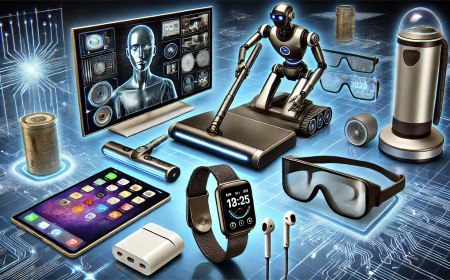
Artificial Intelligence (AI) has swiftly transitioned from being a futuristic concept to a cornerstone of modern existence. Today, AI touches almost every aspect of our daily lives, often in ways we may not immediately recognize. Its applications have seamlessly blended into our routines, enhancing convenience, efficiency, and personalization.

What is Artificial Intelligence?
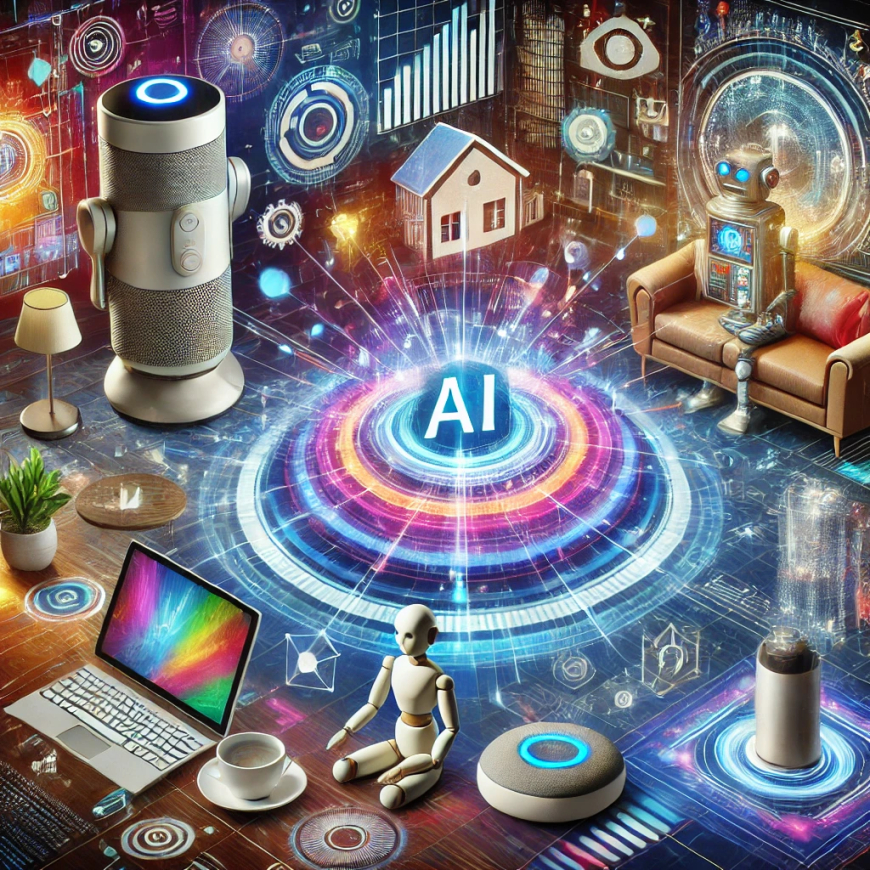
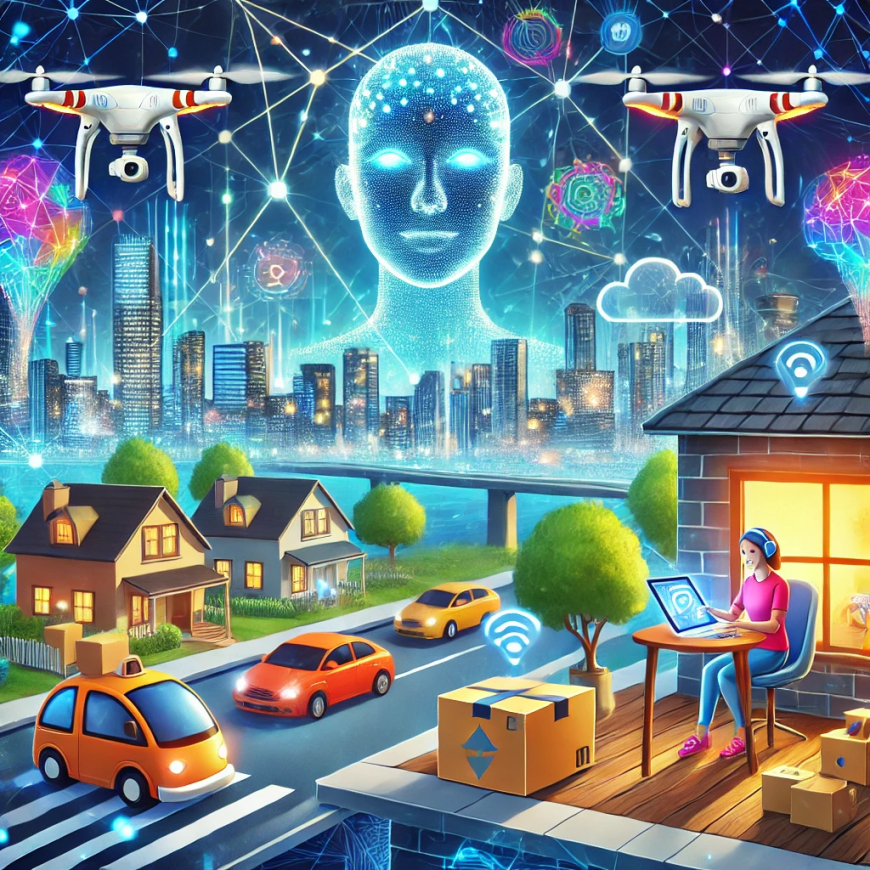
AI refers to the simulation of human intelligence in machines that are programmed to think, learn, and make decisions. From simple rule-based systems to advanced machine learning models, AI has evolved to solve complex problems and automate tasks that once required human intervention. The goal is not just to replicate human abilities but to augment them, making processes faster and more accurate.
Everyday Applications of AI
1. Smart Home Devices
AI-powered devices like smart speakers (e.g., Amazon Alexa, Google Home) and connected appliances have transformed homes into intelligent ecosystems. These devices respond to voice commands, control lighting and temperature, and even suggest routines based on usage patterns.
2. Personal Assistants
Virtual assistants such as Siri, Google Assistant, and Cortana leverage AI to help users with tasks like setting reminders, sending messages, and finding information online. These tools use natural language processing (NLP) to understand and respond to commands effectively.
3. Streaming Services
Platforms like Netflix, YouTube, and Spotify use AI algorithms to analyze user preferences and recommend content. By understanding viewing or listening habits, these services create a personalized experience for each user.
4. Healthcare
AI is revolutionizing healthcare with applications in diagnostics, telemedicine, and personalized treatment plans. Wearable devices, like smartwatches, monitor health metrics and provide real-time insights to improve well-being.
5. E-commerce
Online retailers use AI to enhance the shopping experience through personalized product recommendations, dynamic pricing, and chatbots for customer support. AI also optimizes inventory management and supply chain logistics.
6. Transportation
AI is central to innovations in transportation, from GPS navigation systems that optimize routes to autonomous vehicles that promise safer roads. Ride-sharing apps like Uber and Lyft use AI to match drivers with riders and predict demand.
The Benefits of AI in Daily Life
-
Convenience: AI automates repetitive tasks, freeing up time for more meaningful activities.
-
Personalization: From curated playlists to tailored shopping recommendations, AI ensures a unique user experience.
-
Efficiency: AI optimizes processes, reducing waste and saving energy.
-
Accessibility: AI tools aid individuals with disabilities, making technology more inclusive.
Challenges and Ethical Considerations
While AI offers numerous benefits, it also raises important ethical concerns. Issues like data privacy, algorithmic bias, and job displacement require careful attention. Balancing innovation with responsibility is essential to ensure AI’s positive impact.
Conclusion
The rise of AI in everyday life marks a significant leap toward a smarter, more connected world. Its potential is vast, and as technology continues to advance, AI’s role in our lives will only grow. By embracing its capabilities while addressing its challenges, we can harness AI to create a future that benefits everyone.
What's Your Reaction?